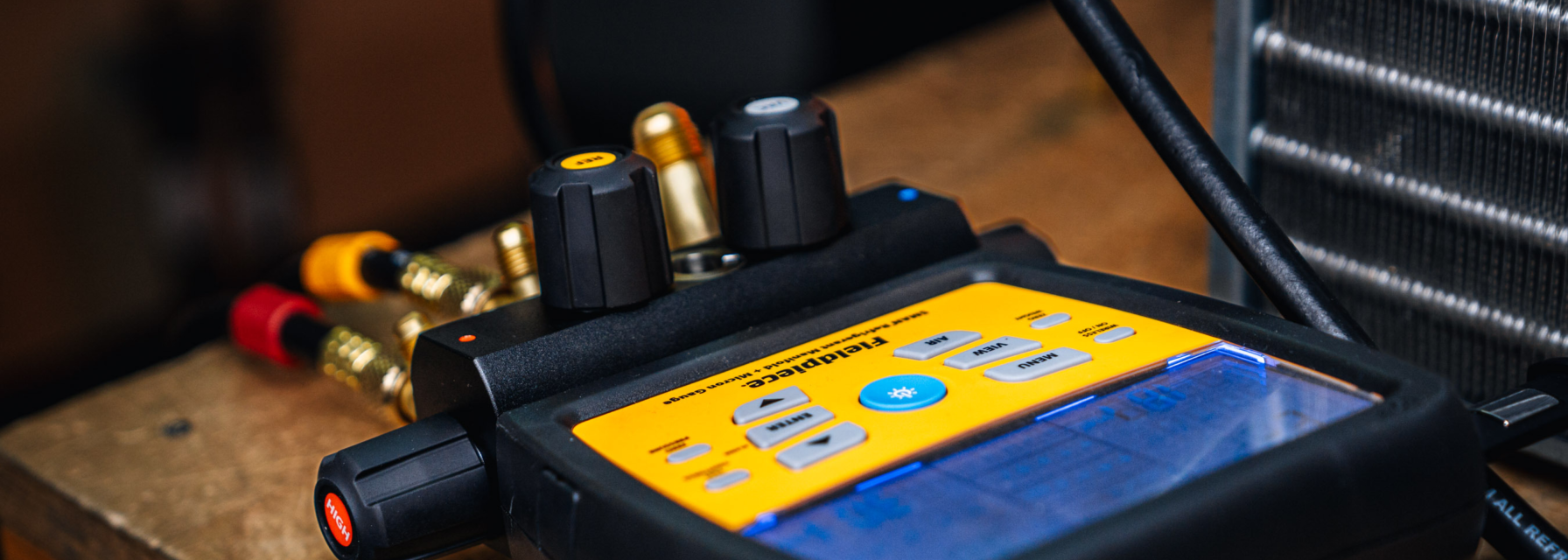
Tips for Technicians: Pressure Testing a System
Ever been stuck on a tough repair or spent way too long figuring out a system issue? We’ve all been there. This new blog series is packed with practical advice, smart solutions, and hands-on tips you can immediately use to solve problems faster and work smarter. No fluff—just the information that makes a difference when you're out in the field.

What is Pressure Testing?
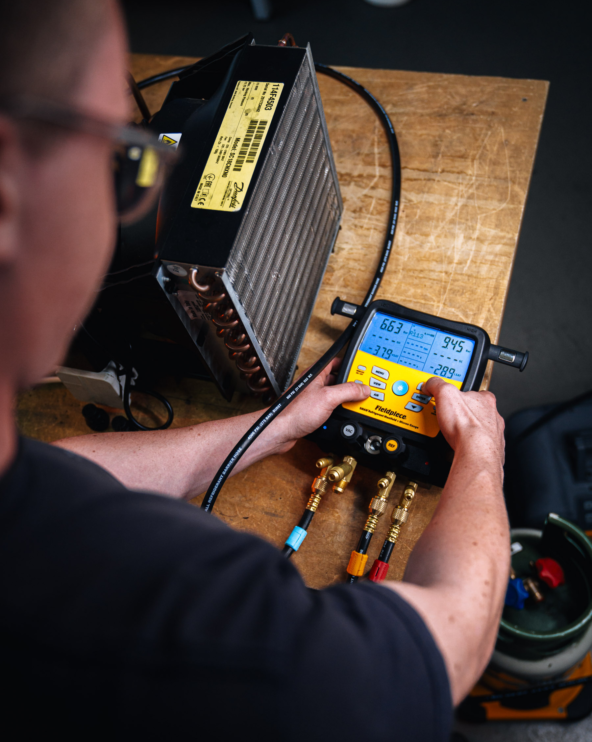
An HVACR technician performs a pressure test on a system to verify there are no leaks before the vacuum is pulled, and the refrigerant is charged into the system. This test is done with dry nitrogen, to ensure the HVACR system is airtight.
This process is used to:
- Verify system integrity by checking for leaks before evacuation and charging
- Help purge air and moisture from the system using dry nitrogen
- Pressurize the system to a controlled test pressure to ensure the system can hold the pressure
Steps of an HVACR Pressure Test
Did The Pressure Test Fail?
There could be a couple of reasons the pressure test on your HVACR system failed:
- Not enough refrigerant in the system due to a leak
- Failed component, such as condensor or evaporator

In Summary
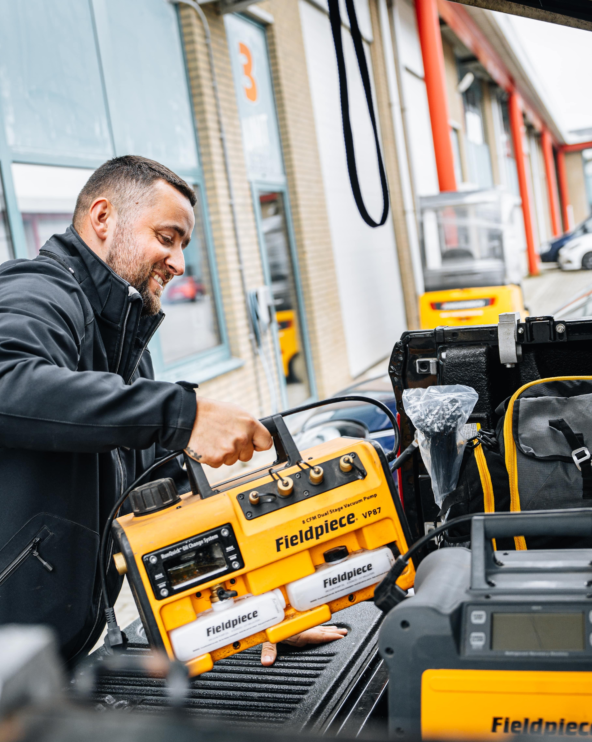
Pressure testing is an important step in the installation or troubleshooting of an HVACR system. It is essential to verify that the system does not have any leaks before charging the system with refrigerant. This ensures that the system can run optimally, customer trust, and no callbacks.